
Faith Coloccia + Tashi Dorji
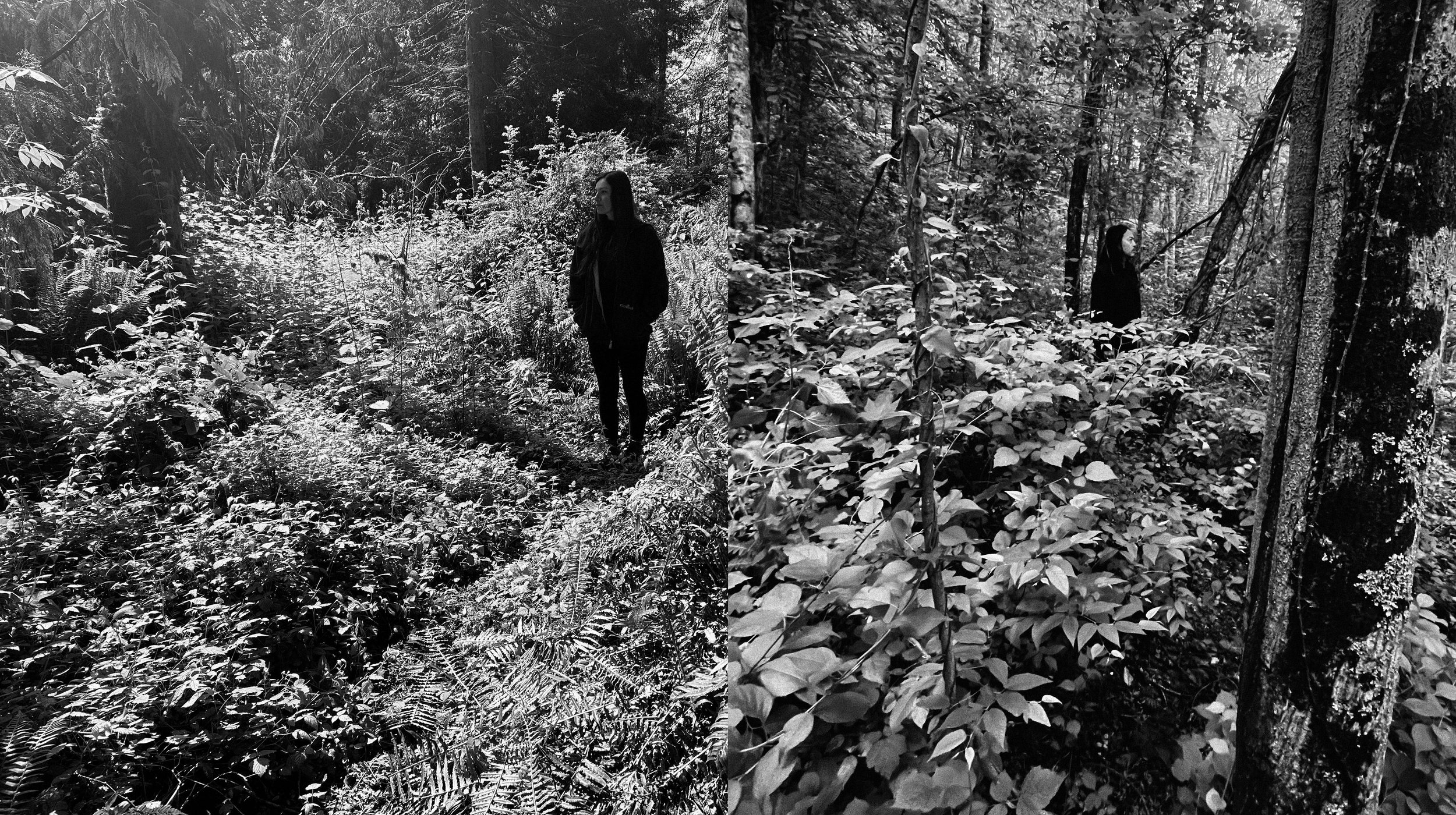
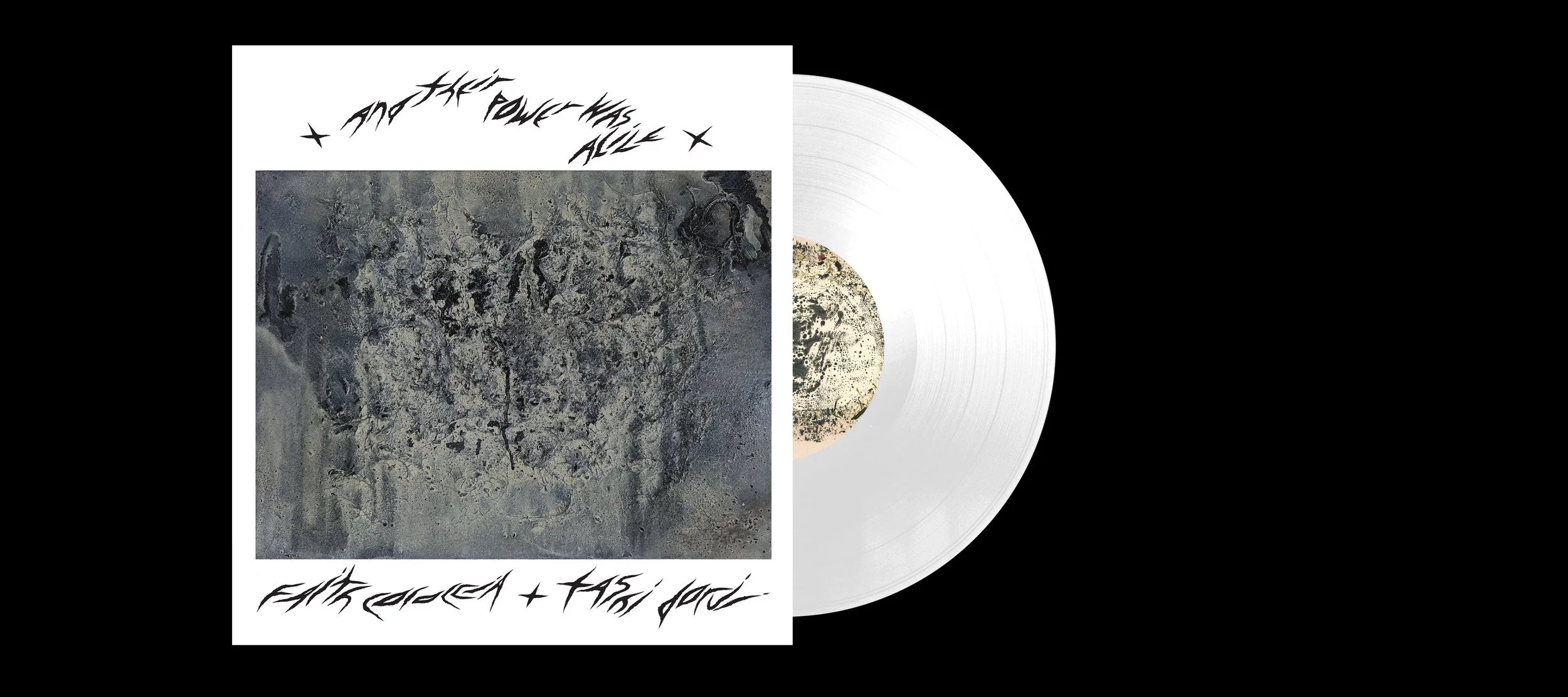
The depths of connection to land, connection lost (and recovered), land itself lost (and so often never recovered); land partitioned, annexed, privatized, made allegedly secure –– Faith Coloccia and Tashi Dorji’s collaborative record And Their Power Was Alive haunts the edges of these concepts and antagonizes the possibility of tidy resolutions around them. It aims to yield in order to achieve its ends; a tumbling passion, higher solutions.
Coloccia and Dorji’s longstanding collaborative relationship and friendship bolsters this massive conceptual weight –– the music is as stirring as it is gorgeous, as exploratory as it is surefooted. And Their Power Was Alive manifests and rises up as a profound iteration of the interrelatedness of the personal and the political, poetically.
The road was desolate with no travelers. Debris, lost listings blowing on the sides of the freeway, caught up in fences. Sleeping in the truck I had a dream: a voice in narration: “And then the land was all used up, and the men upon it were afraid. The tears they shed sank down into the dust and barren soil.”
Coloccia’s plaintive voice, as always, is clear and stirring, intimate, close, and notably here recorded without reverb. She is steady and her lyrics echo dream phrases which visited her during major life shifts: a drive through the arid desert, explaining the concept of private property to the next generation, intergenerational knowledge and caregiving. All of this establishes a melancholia of reflections on land, history, scale. The first words sung on this record are: “Cosmic Horror! I am nothing, I am no-one” and even here, Coloccia is steady. Dorji’s glacial layers of distorted howling guitar create a rise and crest and fall –– symphonies of noise, roaring but distant like fire in the hills, interwoven with piano, organ, and tubular bells.
Ongoing conversations between Coloccia and Dorji throughout and following these shifting times lead to the recording of And Their Power Was Alive, the two trading first demos then eventually final takes which were recorded between Anacortes, Washington’s The Unknown Studio and Dorji’s home studio in Asheville, North Carolina. The resulting recordings shimmer as they wrestle, tremble as they seek. Fans of either artist’s work should take note, especially Coloccia’s work as Mamiffer, as well as kindred spirits like Tiny Vipers, Simon Fisher Turner, One Leg One Eye and Big Brave.
And Their Power Was Alive is philosophical, potent. It is full of quiet strength and effective yielding energy. Coloccia and Dorji together grapple with the interlopers of various lands, make space for the spectres who watch them go. And Their Power Was Alive is a response to a world full of excessive force. It is an intentioned opening. Like all of Coloccia’s and Dorji’s work, it is a yielding to the continued presence of the dead, to the spirits of the earth and to the natural world; yielding as praxis.
“Two people here are exchanging. One person has seeds, and the other has red pigment. From the pockets they take them out. They exchange one hand to the other in a seated dance. For one moment they have an even amount of seeds and pigment between them- as the seeds and pigment fall into the other's waiting hand."
The depths of connection to land, connection lost (and recovered), land itself lost (and so often never recovered); land partitioned, annexed, privatized, made allegedly secure –– Faith Coloccia and Tashi Dorji’s collaborative record And Their Power Was Alive haunts the edges of these concepts and antagonizes the possibility of tidy resolutions around them. It aims to yield in order to achieve its ends; a tumbling passion, higher solutions.
Coloccia and Dorji’s longstanding collaborative relationship and friendship bolsters this massive conceptual weight –– the music is as stirring as it is gorgeous, as exploratory as it is surefooted. And Their Power Was Alive manifests and rises up as a profound iteration of the interrelatedness of the personal and the political, poetically.
Coloccia’s plaintive voice, as always, is clear and stirring, intimate, close, and notably here recorded without reverb. She is steady and her lyrics echo dream phrases which visited her during major life shifts: a drive through the arid desert, explaining the concept of private property to the next generation, intergenerational knowledge and caregiving. All of this establishes a melancholia of reflections on land, history, scale. The first words sung on this record are: “Cosmic Horror! I am nothing, I am no-one” and even here, Coloccia is steady. Dorji’s glacial layers of distorted howling guitar create a rise and crest and fall –– symphonies of noise, roaring but distant like fire in the hills, interwoven with piano, organ, and tubular bells.
Ongoing conversations between Coloccia and Dorji throughout and following these shifting times lead to the recording of And Their Power Was Alive, the two trading first demos then eventually final takes which were recorded between Anacortes, Washington’s The Unknown Studio and Dorji’s home studio in Asheville, North Carolina. The resulting recordings shimmer as they wrestle, tremble as they seek. Fans of either artist’s work should take note, especially Coloccia’s work as Mamiffer, as well as kindred spirits like Tiny Vipers, Simon Fisher Turner, One Leg One Eye and Big Brave.